The Sailor’s Checklist: When to Replace Your Ronstan Split Rings Before They Fail
11 May 2026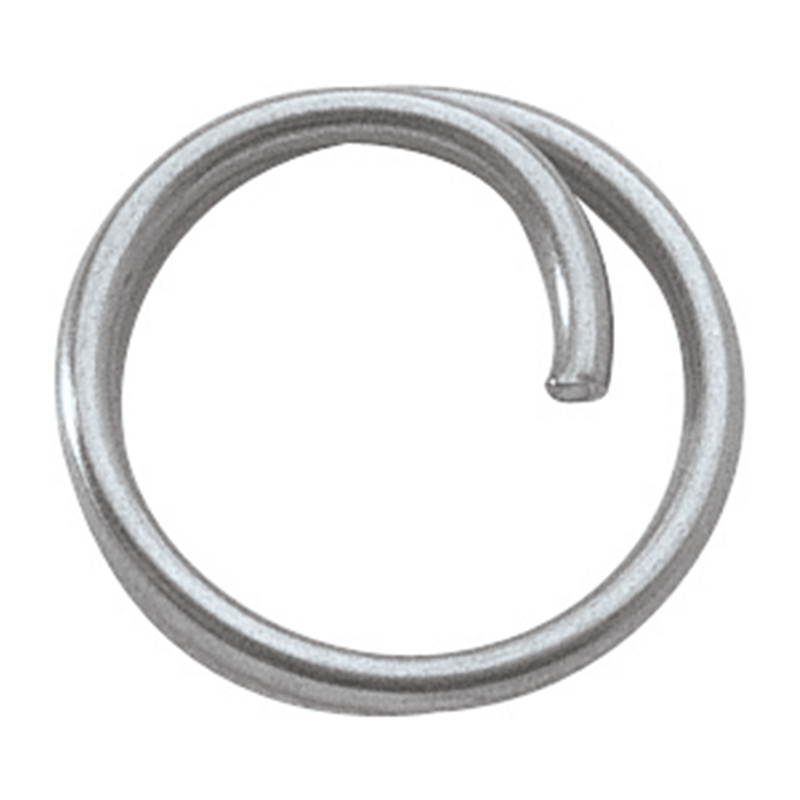
Riggtech explains when to replace Ronstan split rings, helping sailors maintain safe rigging connections and prevent unexpected failures on the water.
In yacht rigging, even the smallest components play an important role in maintaining safety and reliability. Hardware such as clevis pins, shackles, and Ronstan split rings work together to secure rigging connections and keep the system stable under load. When these rings become worn, bent, or corroded, replacing them promptly helps prevent failures and keeps your rigging safe and dependable.
The Role of Ronstan Split Rings in Reliable Rigging Systems
Split rings secure clevis pins in key rigging connections that support and stabilise the mast, helping maintain the structural integrity of the rig. Ronstan split rings, made from marine-grade stainless steel, prevent pins from slipping out but require regular inspection as vibration, load, and saltwater exposure can cause wear over time. They are commonly used in fittings such as turnbuckles, forestay and backstay connections, shroud terminals, mast tangs, and boom or vang fittings.
Warning Signs Your Split Rings Need Replacing
Split rings often show signs of wear, such as corrosion or deformation, and regular inspections are important because exposure to salt, moisture, and mechanical stress can quickly reduce their strength and ability to securely hold a clevis pin.
When inspecting your rigging, look for the following signs of wear:
- Visible corrosion, rust, or pitting on the metal
- Bent or distorted rings that no longer sit properly
- Rings that have partially opened or loosened
- Sharp edges or burrs that could damage sails or lines
- Rings that are difficult to rotate due to corrosion or deformation
When Sailors Should Replace Split Rings
There is no fixed replacement schedule for split rings, but riggers recommend replacing them whenever their condition is uncertain, especially if they have been bent open multiple times, as repeated bending can weaken the metal and increase the risk of failure.
Sailors should consider replacing split rings in the following situations:
- During annual rigging inspections
- When servicing or adjusting turnbuckles
- After offshore passages or heavy weather sailing
- When corrosion or deformation is visible
- When replacing standing rigging components
A Simple Pre-Sailing Split Ring Inspection Checklist
Before heading out on the water, a quick visual inspection of your rigging hardware can help identify worn components early and ensure the system remains secure while sailing.
A basic inspection routine should include the following:
- Check all split rings securing clevis pins on shrouds and stays
- Look for corrosion, distortion, or loose rings
- Ensure the rings are fully closed and properly seated
- Confirm they cannot snag sails, sheets, or running rigging
- Replace any rings that appear damaged or questionable
Reliable Rigging Hardware from Riggtech
Safe and dependable rigging begins with using quality components and replacing worn hardware before it fails. Ronstan split rings are trusted by sailors across Australia for their strength, durability, and compatibility with modern rigging systems. At Riggtech, we supply high-quality rigging hardware designed for Australian sailing conditions to help keep your vessel safe and ready for the water.
Whether you are servicing standing rigging or preparing for an offshore passage, we offer reliable Ronstan split rings and marine hardware for sailors and boat owners. Order online now.
Related Blog Articles:
The Most Overlooked Rigging Issues That Could Put Your Boat at Risk
Ronstan Low Friction Rings: Maximising Efficiency in Marine Applications
Optimized by: Netwizard SEO