Why Every Offshore Yacht Needs a Backup Emergency VHF Antenna (And Why Rollable Wins)
15 April 2026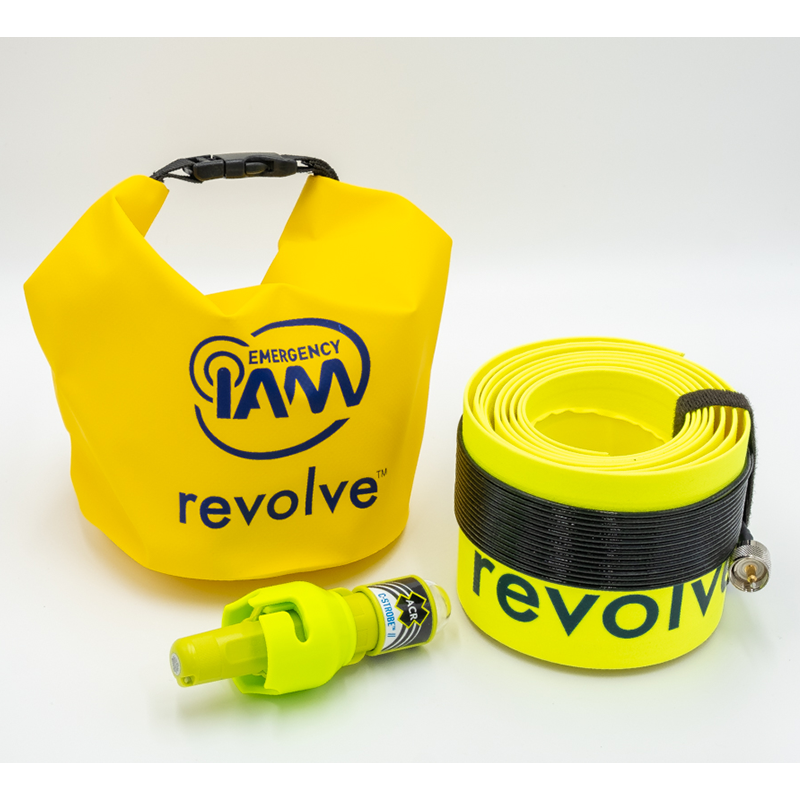
Riggtech explains why every offshore yacht needs a backup emergency VHF antenna and why rollable designs deploy fast, stow small and boost safety.
Imagine you’re days into an offshore passage when a dismasting, lightning-related fault, or hidden salt corrosion knocks out your masthead antenna and coax. In seconds, your fixed-mount VHF can shift from a reliable lifeline to barely usable. That’s why every offshore yacht should carry a backup emergency VHF antenna as fast, practical insurance you can deploy in minutes.
Why VHF Still Matters for Australian Offshore Safety
Offshore, clear and immediate communication is critical, and VHF remains one of the fastest ways to call for help and coordinate with nearby vessels in Australian waters without relying on mobile coverage. While sat devices and distress beacons are valuable safety tools, they cannot replace two-way voice communication when you need to explain the situation and follow instructions. Australian boating safety guidance also stresses that a mobile phone is only a backup and does not replace a marine radio in an emergency.
Offshore, the radio usually isn’t the weak point; the antenna system is. VHF performance relies on an intact aerial, coax and connectors, and these masthead components are often the first to fail. That is why regular rig checks matter, especially before longer passages. If you want a practical baseline, Riggtech’s rig inspections service is designed to identify wear points early, including issues that can compromise communications aloft.
What to Look for in an Emergency VHF Antenna Backup Setup
A good backup is not the one you own. It is the one you can deploy quickly, under pressure, with wet hands and limited options. The best emergency VHF antenna setups are designed around offshore realities: rig damage, limited tools, and the need to get back on air immediately.
Here is what to prioritise:
- Fast deployment: You should be able to set it up in minutes, not spend an hour troubleshooting adapters and mounts.
- Compact stowage: Offshore yachts already carry safety gear. Your antenna should be small and stay protected until needed.
- Practical length and performance: In emergencies, a very short antenna may work at close range, but it can limit your ability to reach help when distances open.
- Mounting flexibility: Look for options that can be secured to a rail, push pit, temporary pole, or hoisted with a spare halyard if the mast is compromised.
- Connector readiness: Keep the right connectors and adaptors with the antenna, plus a short spare coax lead if required.
- Proven, repeatable process: Your crew should know where it’s stored and how to deploy it without guessing.
Why Rollable Wins: Faster, Stows Smaller, Still Gives You Real Antenna Length
Traditional backup antennas often compromise between compact storage and effective length, but a rollable design delivers both. A rollable backup emergency VHF antenna stows small and protected, then deploys into a full-length antenna when you need real performance. Offshore, that quick, confident setup matters when space is tight, and failures happen in squalls, at night, or during onboard emergencies.
In practical terms, rollable designs are also easier to stage as a complete kit. Antenna, mounting method, and connectors can be kept together so you are not searching through lockers while the situation escalates.
Prepare for the Unexpected with Riggtech
At Riggtech, we focus on equipment that supports real offshore decision-making, not theoretical safety. If you are preparing for longer passages, upgrading your comms, or simply tightening your safety plan, adding a dedicated emergency VHF antenna is one of the most cost-effective steps you can take.
If you would like guidance on selecting the right backup option for your yacht, or you want help building a ready-to-deploy kit, contact us, and we will help you get set up properly.
Related Blog Articles:
Mast Issues – Tips on How to Locate Hidden Issues
The Most Overlooked Rigging Issues That Could Put Your Boat at Risk
Optimized by: Netwizard SEO